Reflecting on the Open Fleet Format: A Successful First Test in Podersdorf
June 13, 2026
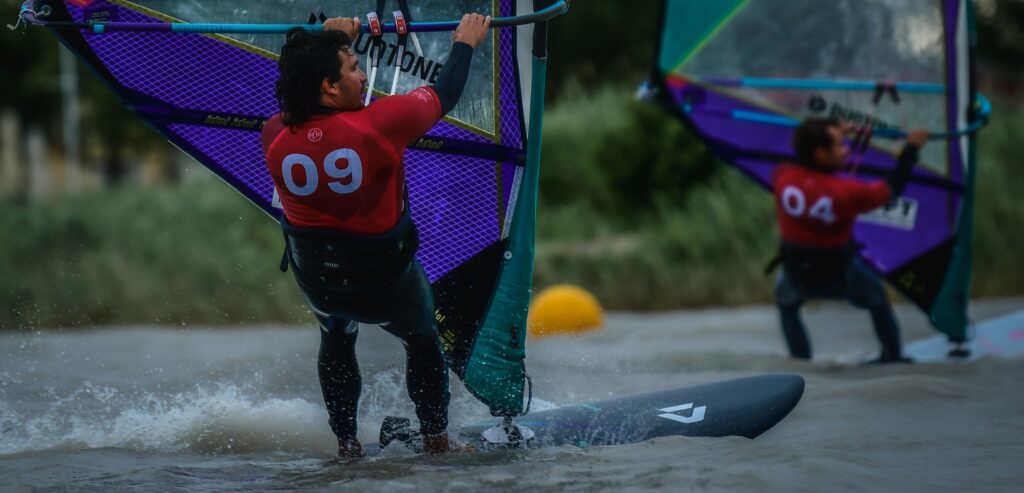
The introduction of the Open Fleet at FPT x Windy Days Podersdorf was step in a new direction for the Freestyle Pro Tour. While the concept had been discussed for some time, Austria provided the perfect opportunity to put it into practice for the first time, and the response has been overwhelmingly positive.
“We noticed a lot of newcomers hesitating because the existing system effectively relied on the double elimination rounds to take place so they could stand a chance of making some headway into the fleet,” explains FPT CEO Adam Sims. “There was often a real costs-versus-benefits reality for those riders. At the same time, everywhere we go there are local legends and semi-retired pros who still love to sail and still sail at a really high level, but hesitate to enter competition. We wanted to find a format that was more relaxed and inviting to those sailors whilst still elevating the game for the current-day elite level.”
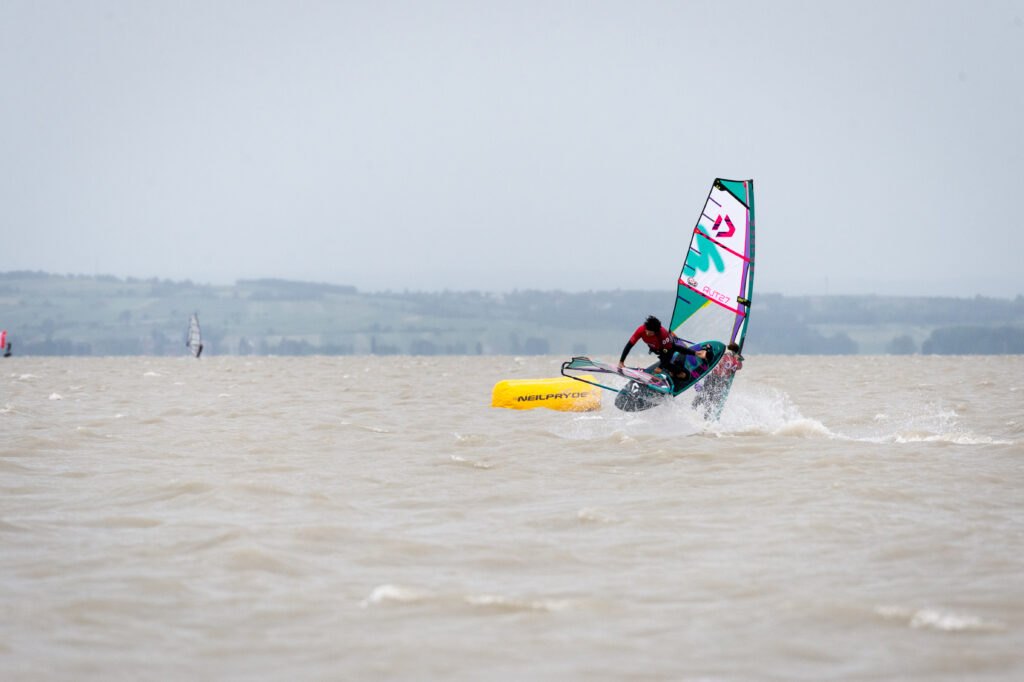
Rather than changing anything for the riders already competing in the Pro Fleet, the Open Fleet extends the event structure to create more opportunities for newcomers, local heroes and returning competitors, while still offering a direct pathway into the professional competition.
For newer riders, the format provides valuable heat experience without immediately being thrown into competition against the world’s best. For local legends and former competitors, it offers a chance to get involved again, compete for a podium and enjoy the event atmosphere without the pressure of a full professional campaign.
What we didn’t quite expect, was just how competitive the Open Fleet would become. Many of the close battles and tight heats that are often associated with later rounds of competition appeared right from the first stages of the event. Riders had something meaningful to fight for from their very first heat, creating exactly the sort of excitement the format was designed to encourage; similar to the close action often seen in the double elimination portions of competitions.
Just as importantly, the additional time required to run the Open Fleet proved surprisingly small, making it a practical addition alongside the existing Pro Fleet structure.
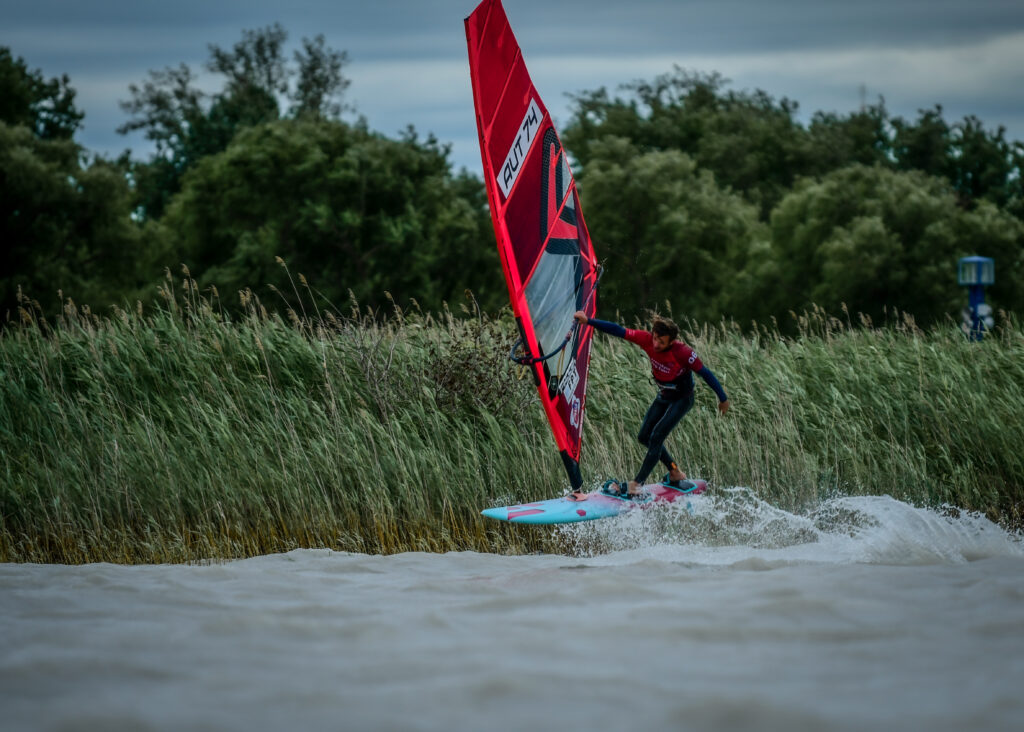
For Head Judge Flo Ragossnig, the feedback recieved was one of the clearest indicators that the format is moving in the right direction.
“In general, it’s been a really good addition,” says Flo. “We’ve had very positive feedback from the riders who competed in Podersdorf, but also from riders outside the event who are interested in entering future competitions.”
“A lot of riders want to experience competition, but they’re not necessarily keen on having their very first heat against the world’s best riders.” The Open Fleet gives them a chance to get involved, gain experience and work their way into the Pro Fleet.
From a judging perspective, the format integrated smoothly into the event, while also opening the door to potential future experimentation. Depending on the location and local community, concepts inspired by events such as the German Freestyle Battles, including more community-led judging formats, could be explored further down the line.
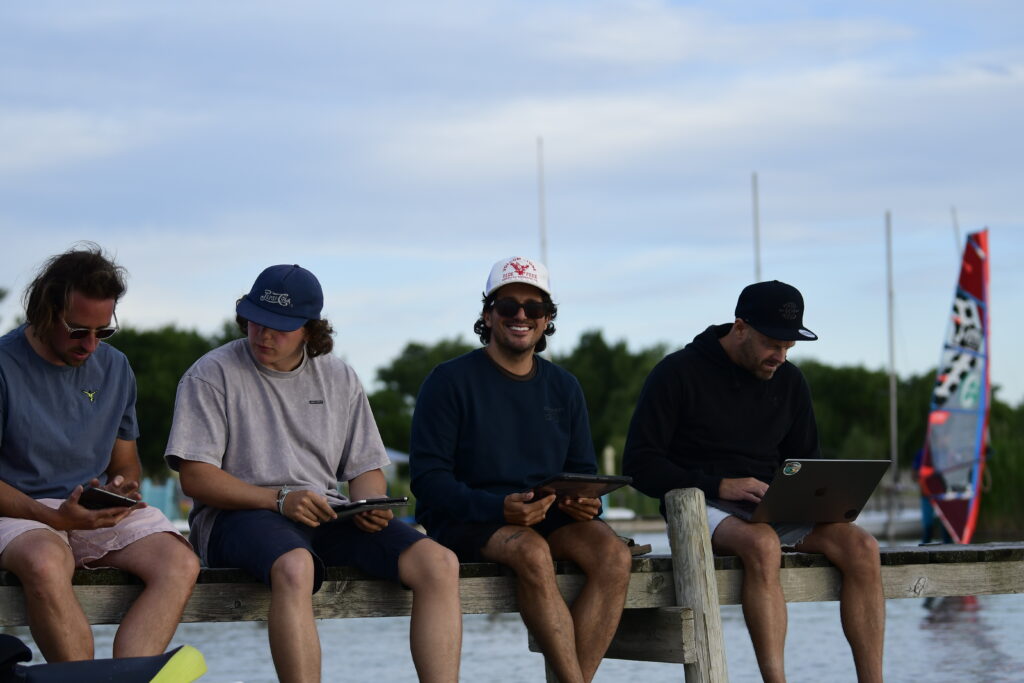
Of course, the success of the Open Fleet will always depend on the local scene and the number of riders eager to participate. But after its first outing in Austria, the signs are encouraging. Most importantly, it achieved exactly what it was designed to do: bring more people into competition, create more opportunities on the water, and strengthen the bridge between grassroots freestyle and the professional level of the sport.
After a successful first test in Podersdorf, there’s a very good chance the Open Fleet will become a familiar part of future Freestyle Pro Tour events.